

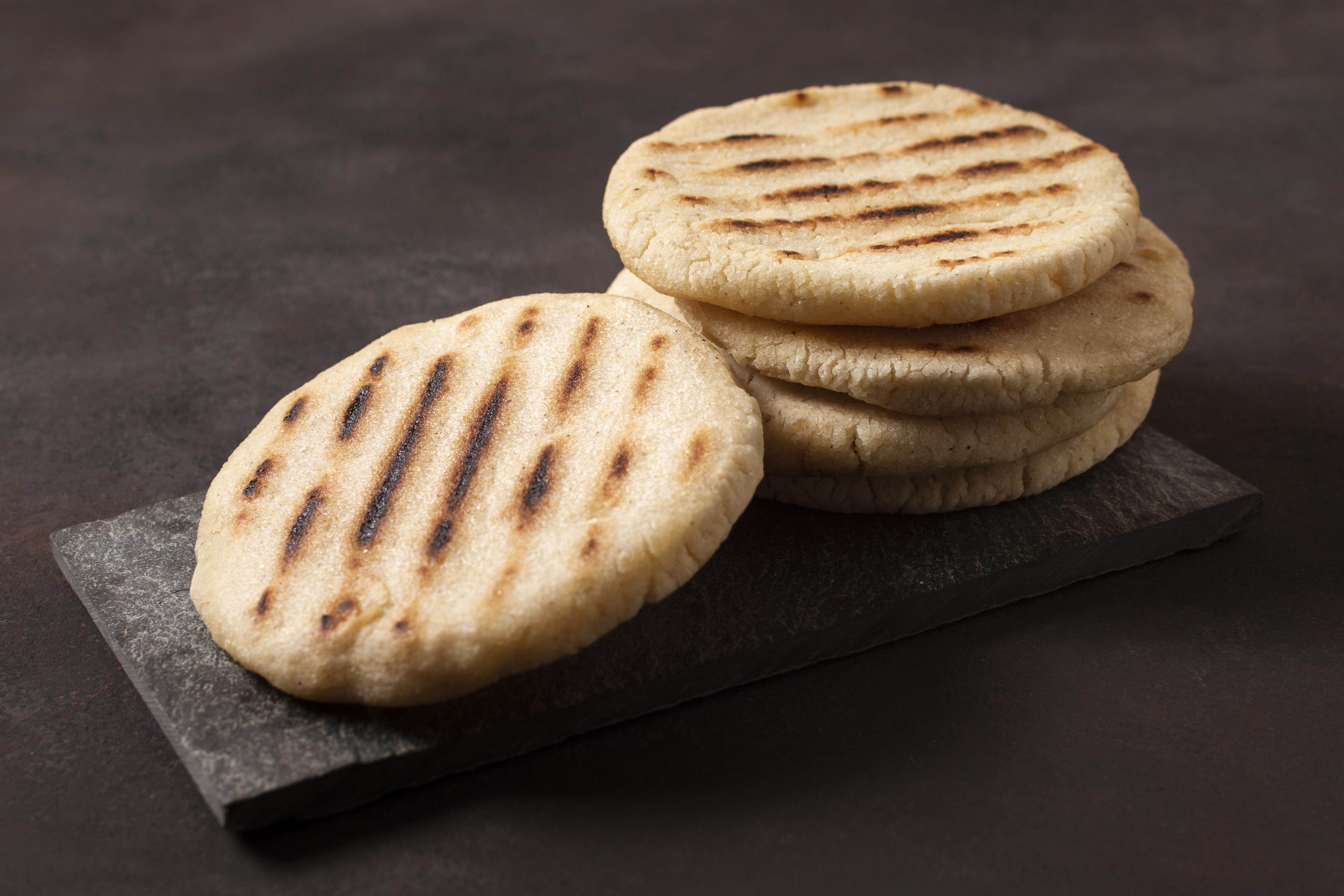
Is Mediterranean Food Healthy?
Mediterranean cuisine is often celebrated for its health benefits, and one of its most notable subregions is the Middle East. The Middle Eastern diet, rich in fresh vegetables, legumes, olive oil, and lean proteins, is widely regarded as a healthy way of eating. But how healthy are some of its most iconic dishes? From hummus to lamb and all in between, is pita bread healthy? Let’s explore the nutritional profiles of popular Middle Eastern meals, examining their calorie counts, protein content, and health benefits while also noting a few things to keep in mind.
A Fresh Start; Hummus
Hummus is arguably one of the most beloved Middle Eastern dishes worldwide. Made from blended chickpeas, tahini, garlic, lemon juice, and olive oil, hummus is a creamy and satisfying dip.
A typical serving of hummus (about 2-3 tablespoons) contains around 150-200 calories. It provides 5-6 grams of protein, primarily from chickpeas, making it a solid plant-based protein source. It’s also high in fiber, thanks to the chickpeas, which aids digestion and helps keep you feeling full longer.
What makes hummus particularly healthy is its healthy fat content from olive oil and tahini. These fats are mostly monounsaturated fats, which are known to reduce inflammation and support heart health. However, keep in mind that traditional hummus is often served with pita bread, which can add extra calories and carbohydrates. Not saying is pita bread healthy, but for a healthier option, try dipping raw veggies like carrots or cucumbers instead.
The Classic Falafel
Falafel, another Middle Eastern favorite, is made from ground chickpeas (or fava beans), herbs, and spices, then deep-fried until golden and crispy. Though delicious, falafel is a bit higher in calories than you might expect, primarily because of the frying process.
A typical serving of 4-6 falafel balls contains about 200-300 calories. The protein content is around 5-8 grams, mainly from chickpeas, making falafel a good source of plant-based protein. Falafel is also packed with fiber and antioxidants from the chickpeas and fresh herbs like parsley and cilantro.
However, the deep-frying process increases the fat content, which can make falafel less healthy if consumed in large quantities. For a lighter alternative, baking falafel instead of frying it can help cut down on calories and unhealthy fats, making it a healthier snack or meal option.
The Nutrient-Rich Tabbouleh
Tabbouleh is a fresh, flavorful salad made from parsley, tomatoes, mint, bulgur wheat, onions, and lemon juice. It’s one of the healthiest dishes in Middle Eastern cuisine, packed with vitamins and minerals.
A typical serving of tabbouleh contains around 150-200 calories, depending on the portion size. It’s low in fat and offers about 4-5 grams of protein from the bulgur wheat, which is a whole grain. The herbs, especially parsley, are packed with vitamin C and antioxidants, promoting overall health and boosting the immune system.
What makes tabbouleh particularly healthy is its high fiber content from the bulgur and vegetables, which supports digestion and helps regulate blood sugar levels. The dish is also hydrating, thanks to the tomatoes and cucumbers, making it a refreshing and nutritious option.
Grilled Kebabs; Lean Protein on a Skewer
Grilled kebabs are a staple in Middle Eastern cuisine, typically made with marinated pieces of chicken, lamb, or beef, skewered and grilled to perfection. A serving of grilled chicken kebabs (around 3 ounces of meat) contains about 150-200 calories and offers 20-25 grams of protein, depending on the meat used. The lean protein is great for muscle repair and growth, and grilled meats are a healthier alternative to fried options.
The kebab marinade often includes olive oil, garlic, lemon, and various herbs and spices, which not only adds flavor but also boosts the dish’s health profile. Olive oil is rich in monounsaturated fats, and garlic provides antioxidants with anti-inflammatory benefits.
While grilled kebabs are generally a healthy option, it’s important to be mindful of the portion size and how much fat or oil is used in the marinade. Choosing leaner cuts of meat like chicken breast can help keep the calorie count lower.
A Hearty Dish, Fattoush
Fattoush is a traditional Middle Eastern salad made from mixed greens, tomatoes, cucumbers, radishes, and crispy pieces of pita bread, all tossed together with a tangy lemon and olive oil dressing. A typical serving of fattoush contains around 200-250 calories, depending on the portion size and amount of pita used. Keep in mind is pita bread healthy.
The dish provides about 4-5 grams of protein, primarily from the chickpeas and vegetables, though the pita contributes a bit of carbs as well. While the greens and vegetables are low in calories and rich in fiber, it’s important to remember that fattoush often contains fried pita pieces, which can add extra fat and calories.
To make fattoush a bit healthier, you could reduce the amount of fried pita or substitute it with baked pita chips. This salad is still a great choice for its high content of antioxidants, vitamins, and minerals.
A Healthy Mediterranean Diet with Middle Eastern Flavors
The Middle Eastern diet, with its emphasis on fresh vegetables, legumes, and lean proteins, offers numerous health benefits. Dishes like hummus, tabbouleh, and grilled kebabs are packed with nutrients, heart-healthy fats, and fiber, making them great choices for anyone looking to eat healthily. However, as with any cuisine, moderation is key. Dishes like falafel and moussaka, while delicious, can be high in calories and fats when not prepared carefully.
By embracing the freshest ingredients and focusing on balance, the traditional Middle Eastern diet can be a flavorful and nourishing way to eat, offering a wide variety of healthy, nutrient-rich options for every meal. Looking for healthy mediteranian food near me, well you found the spot!