

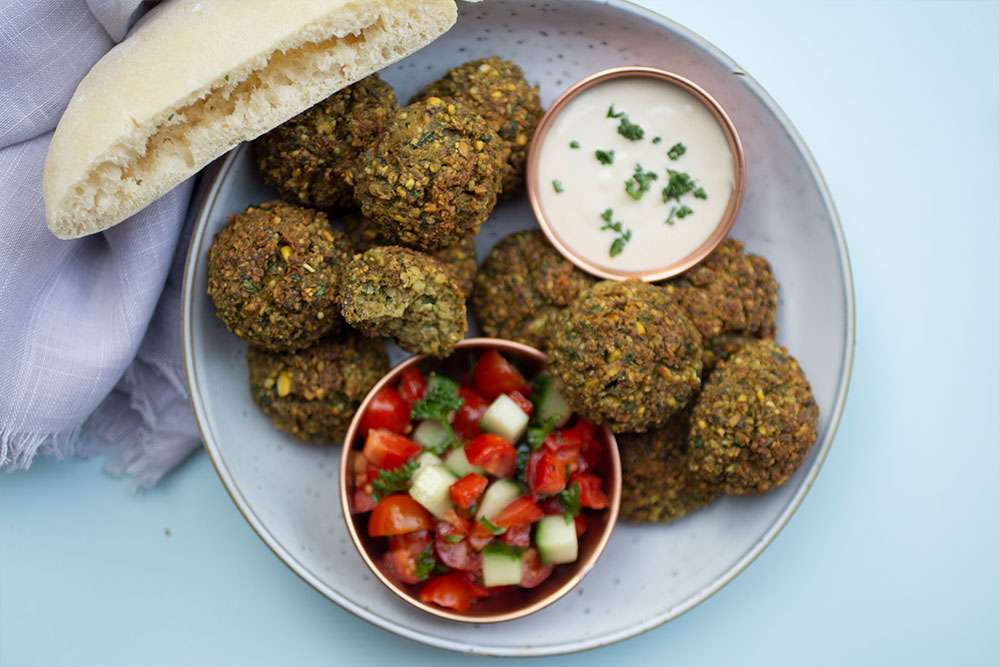
What Is Falafel? A Crispy Introduction to the Middle Eastern Classic
If you’ve ever bitten into a golden, herb-packed delight and wondered, “What is this deliciousness made of?” — you’re likely enjoying one of the most iconic dishes in Middle Eastern cuisine. Crispy on the outside, tender in the center, and bursting with spice and flavor, this beloved street food has become a global favorite for good reason.
But it’s more than just a tasty snack — it’s a dish rich in history, rooted in tradition, and full of nourishing ingredients that just happen to be completely plant-based. Whether you’re new to the cuisine or a long-time fan, this guide will walk you through where it came from, how it’s made, and why it deserves a permanent place on your plate.
A Taste of Tradition: Where It All Began
While its exact birthplace is still debated, many trace its origin to Egypt, where it’s known as ta’ameya and made with fava beans. Others point to the Levant, where chickpeas became the star ingredient. Either way, it has long been a staple across the Middle East — served from bustling city markets to family kitchens, each version carrying the flavor of its region.
Today, it’s one of the most recognizable items in Middle Eastern food culture, proudly served in restaurants around the world. If you ever found yourself searching “Falafel near me”, you know the craving is real. Curious about how we prepare ours? Check out our authentic Mediterranean menu and explore the flavors of tradition.
What’s It Made Of? Simple Ingredients, Bold Flavor
At its heart, this dish begins with chickpeas or fava beans, soaked and ground, then blended with parsley, cilantro, garlic, and onion. A carefully chosen mix of spices — like cumin, coriander, and just a touch of chili — gives it that warm, earthy kick.
Once formed into patties or balls, it’s traditionally fried until golden and crisp, but many places now offer baked versions for a lighter twist. Tucked into pita bread or served as part of a platter, it’s usually paired with fresh vegetables, pickled toppings, and a drizzle of tahini sauce. Want to see how we do it? Take a look at our signature wraps and bowls.
Is It Healthy? Absolutely — Here’s Why
Beyond its flavor, one of the reasons it’s so widely loved is because it’s surprisingly good for you. Packed with plant-based protein, thanks to the chickpeas or beans, it also offers a healthy dose of fiber that helps keep you full and satisfied.
It’s naturally rich in vitamins and minerals like iron, magnesium, and folate, and when served with a salad or whole grain base, it makes for a well-rounded meal. While the traditional fried version adds a little extra indulgence, baked options are widely available and just as tasty. Explore our healthy Mediterranean options to discover how nutritious and delicious can go hand in hand.
Why People Can’t Get Enough
There’s a reason this dish has gone global. It’s hearty, affordable, versatile, and incredibly satisfying — all without a trace of meat. From pita pockets and grain bowls to salads and snack plates, it fits into just about any style of meal.
Its texture — that perfect crunch followed by a soft, herby middle — is only part of the charm. Pair it with tangy pickles, creamy sauces, and crisp vegetables, and you’ve got a meal that checks every box. No wonder it’s become a favorite from food trucks to fine dining.
A Middle Eastern Must-Try
More than just a street food, this crispy creation is a window into the rich culture and culinary traditions of the Middle East. With each bite, you’re tasting a history that spans generations — and a flavor that continues to win over hearts around the world.
If you’re just beginning your journey into Middle Eastern flavors or looking to expand your plant-based options, this is one dish you absolutely have to try. Get the best falafel near me!