

What’s in Shawarma Seasoning?
When you think of shawarma, the first image that likely comes to mind is tender, juicy slices of meat wrapped in soft pita, drizzled with creamy garlic sauce or tahini. But beyond the mouthwatering visuals and textures, what truly defines this beloved Middle Eastern dish is its spice blend. Shawarma seasoning is a carefully balanced mix of bold, aromatic spices that creates the dish’s signature flavor profile—deeply savory, slightly sweet, and perfectly spiced. If you’ve ever searched for the best shawarma near me, chances are you’ve been drawn in by the unforgettable taste these spices deliver.
The Core Spices in Shawarma Seasoning
The foundation of shawarma seasoning begins with cumin. Known for its earthy, nutty warmth, cumin isn’t spicy in a traditional sense, but it adds a rich, foundational depth that enhances the flavor of the meat. Coriander is another staple in the blend, bringing a slightly sweet, citrusy freshness that balances the darker, warmer spices and adds complexity to each bite.
Paprika plays a dual role in both flavor and appearance. It adds a sweet and slightly smoky note depending on the variety used, and it contributes that signature reddish-orange hue that coats the meat. Meanwhile, allspice adds a peppery, clove-like dimension that’s slightly sweet and warmly aromatic, often giving shawarma its signature festive spice character.
Turmeric is added not for heat, but for its earthy bitterness and vibrant golden color, particularly in chicken shawarma recipes. Cinnamon, while often associated with desserts, adds a gentle sweetness and woodsy warmth that ties everything together. Garlic powder provides pungency and deep umami, enhancing the overall flavor and aroma without the sharpness of fresh garlic.
Black pepper rounds out the blend with mild heat and a pungent kick, giving the mix just enough spice without overpowering it. Together, these spices create a bold, flavorful combination that elevates any protein—be it chicken, beef, or lamb—into the tender, well-seasoned meat you crave when visiting your favorite shawarma restaurant.
Regional Variations in Shawarma Seasoning
While there’s a base formula most shawarma restaurants follow, many add regional variations to give their shawarma a distinctive twist. In the Gulf region, cardamom is often included for its sweet, floral notes that complement both meat and rice-based dishes. In the Levant, particularly Lebanon and Syria, shawarma seasoning may include nutmeg or cloves for deeper warmth and an almost aromatic spiciness.
Sumac, a tangy spice with a bright, lemony flavor, is sometimes used in Palestinian and Syrian versions of shawarma to bring a sharp contrast to the richness of the meat. These regional touches can subtly shift the overall flavor profile while still keeping it recognizably shawarma.
How These Spices Come Together
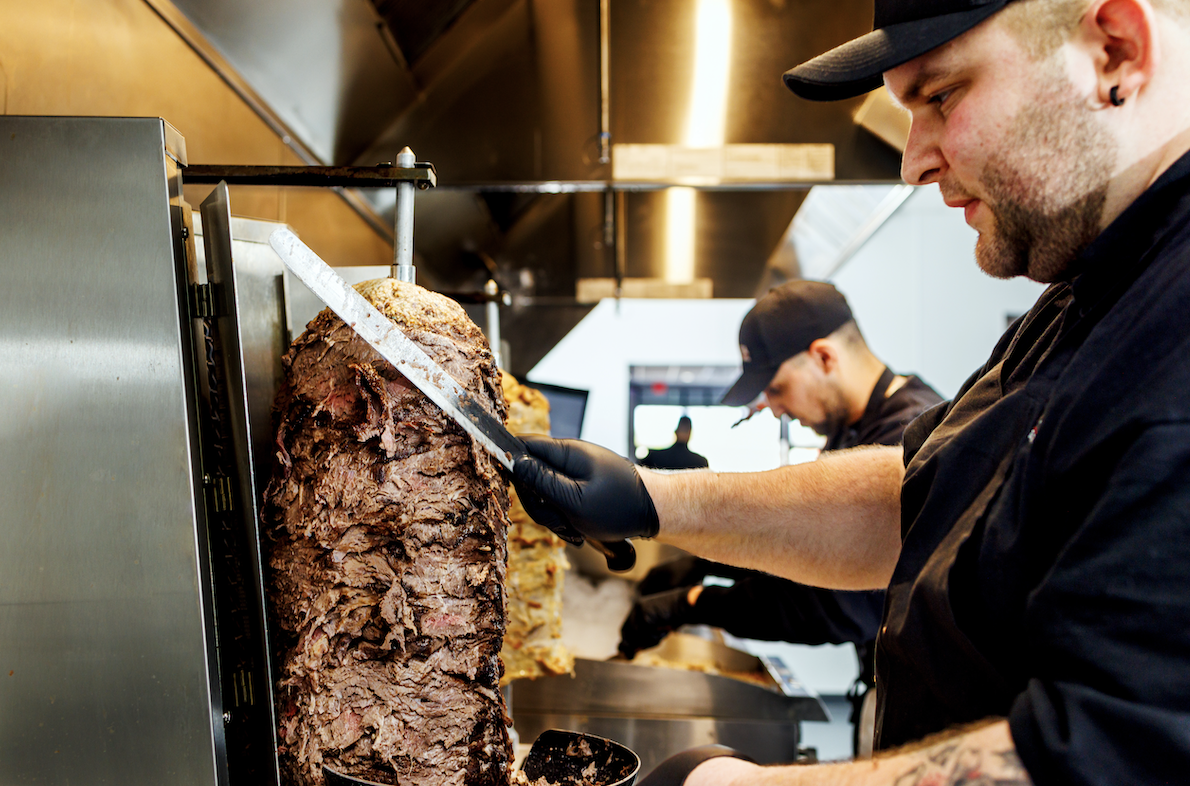
Shawarma spices aren’t simply sprinkled on top—they’re massaged into the meat during marination, often with yogurt, olive oil, and vinegar or lemon juice. As the meat roasts slowly on a vertical spit, the seasoning caramelizes and seeps deep into every slice, producing the richly flavored crust that shawarma lovers can’t resist.
This slow-cooked layering of spice and flavor is what gives shawarma its depth, ensuring that every bite tastes just as good as the last. Whether you’re grabbing a wrap on the go or sitting down at a high-end shawarma restaurant, you’ll taste the harmony of sweet, savory, and warm spices that make the dish so addictive.
Final Thoughts: Spice is the Soul of Shawarma
Ultimately, shawarma isn’t just about meat—it’s about the spices that breathe life into it. Each element, from cumin’s earthiness to paprika’s smoky sweetness and cinnamon’s soft warmth, plays a specific role in creating balance and depth. Understanding these spices helps you appreciate why shawarma is more than just a meal—it’s an experience rooted in tradition, flavor, and history.
So next time you’re searching for shawarma near me, remember: the real magic happens before the meat even hits the grill. It begins in the spice bowl—where centuries of Middle Eastern culinary heritage are ground, mixed, and brought to life.